
What You Should Do in a Dental Emergency Step-by-Step Guide for Knocked-Out Teeth and More
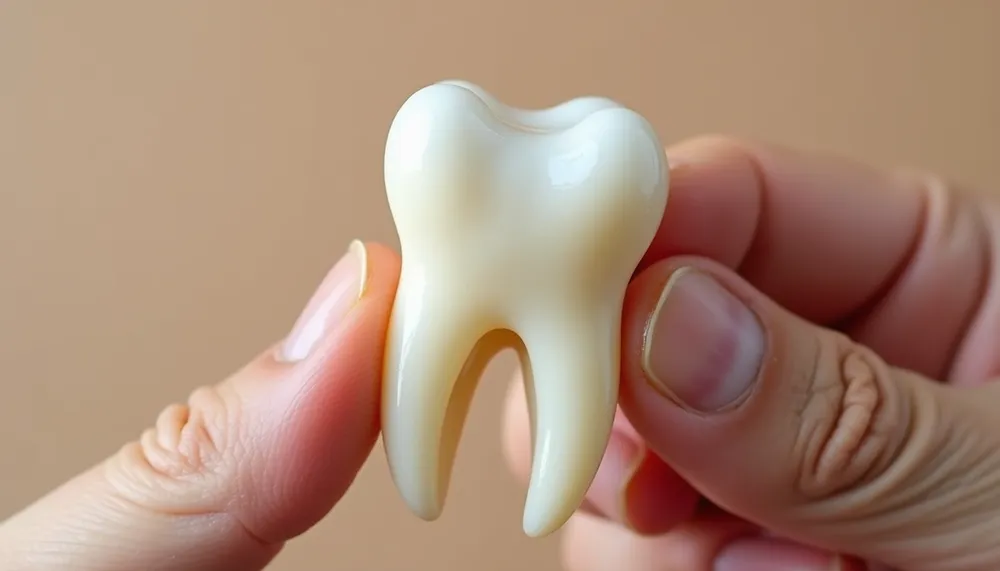
Dental emergencies can happen without warning and often cause panic. Knowing exactly what to do can save your tooth, reduce pain, and prevent further damage. This guide walks you through the most common dental emergencies: knocked-out teeth, severe toothaches, and broken crowns. Follow these clear steps to act quickly and effectively. Remember, we offer same-day emergency appointments to get you the care you need right away. Willis & Associates Family Dentistry Ivy, conveniently located in the Ivy, VA area near Charlottesville, welcomes patients of all ages.
What to Do When a Tooth Gets Knocked Out
A knocked-out tooth is one of the most urgent dental emergencies. Acting fast can increase the chance of saving the tooth.
- Find the tooth immediately
Find the tooth immediately
Handle it by the crown (the chewing surface), not the root, to avoid damaging the cells needed for reattachment.
- Rinse the tooth gently
Rinse the tooth gently
Use water or milk to clean dirt off. Do not scrub or use soap or chemicals.
- Try to put the tooth back in place
Try to put the tooth back in place
If possible, carefully insert the tooth back into the socket. Hold it there by biting down gently on a clean cloth or gauze.
- Keep the tooth moist if reinsertion is not possible
Keep the tooth moist if reinsertion is not possible
Place the tooth in a container with milk, saline solution, or your saliva. Avoid storing it in plain water.
- Get to the dentist immediately
Get to the dentist immediately
Time is critical. The best chance to save the tooth is within 30 minutes to an hour after the injury.
How to Handle Severe Toothaches
Severe tooth pain can signal infection, decay, or injury. While waiting for professional care, these steps can help manage the pain and prevent worsening.
- Rinse your mouth with warm salt water
Rinse your mouth with warm salt water
Mix half a teaspoon of salt in 8 ounces of warm water. This helps reduce inflammation and cleans the area.
- Use over-the-counter pain relief
Use over-the-counter pain relief
Take ibuprofen or acetaminophen according to the package instructions. Avoid placing aspirin directly on the gums as it can cause burns.
- Apply a cold compress
Apply a cold compress
Place a cold pack or wrapped ice on the cheek near the painful area for 15 minutes to reduce swelling.
- Avoid very hot, cold, or sugary foods and drinks
Avoid very hot, cold, or sugary foods and drinks
These can worsen sensitivity and pain.
- Do not ignore the pain
Do not ignore the pain
Severe toothaches often require prompt dental treatment to address infection or damage.
Steps to Take When a Crown Breaks or Comes Off
A broken or lost crown can expose the tooth to damage and cause discomfort. Acting quickly can protect the tooth until you see your dentist.
- Locate the crown if it has come off
Locate the crown if it has come off
Keep it safe and bring it to your dental appointment.
- Clean the crown and your tooth gently
Clean the crown and your tooth gently
Rinse both with warm water to remove debris.
- Use dental cement or toothpaste as a temporary fix
Use dental cement or toothpaste as a temporary fix
If you cannot see a dentist immediately, apply a small amount of dental cement (available at pharmacies) or toothpaste inside the crown and place it back on the tooth.
- Avoid chewing on the affected side
Avoid chewing on the affected side
This prevents further damage or dislodging the crown.
- Schedule a same-day emergency appointment
Schedule a same-day emergency appointment
A dentist can properly re-cement or replace the crown and check for underlying issues.
When to Seek Emergency Dental Care
Some situations require immediate professional attention beyond home care:
- Knocked-out tooth
- Severe, unrelenting tooth pain
- Broken or lost crown with pain or sensitivity
- Swelling in the face or gums
- Bleeding that won’t stop
- Signs of infection such as fever or pus
Knocked-out tooth
Severe, unrelenting tooth pain
Broken or lost crown with pain or sensitivity
Swelling in the face or gums
Bleeding that won’t stop
Signs of infection such as fever or pus
Our clinic offers same-day emergency appointments to provide fast relief and treatment. Don’t wait if you experience any of these symptoms.
Tips to Prevent Dental Emergencies
While accidents happen, some steps can reduce your risk:
- Wear a mouthguard during sports
- Avoid chewing hard objects like ice or pens
- Maintain regular dental check-ups
- Practice good oral hygiene to prevent decay and infection
Wear a mouthguard during sports
Avoid chewing hard objects like ice or pens
Maintain regular dental check-ups
Practice good oral hygiene to prevent decay and infection
Dental emergencies can be frightening, but knowing what to do can make all the difference. Whether you face a knocked-out tooth, severe toothache, or broken crown, quick and calm action helps protect your smile. Contact us immediately for same-day emergency care and expert treatment.